Baglamukhi Havan
बगलामुखी हवन
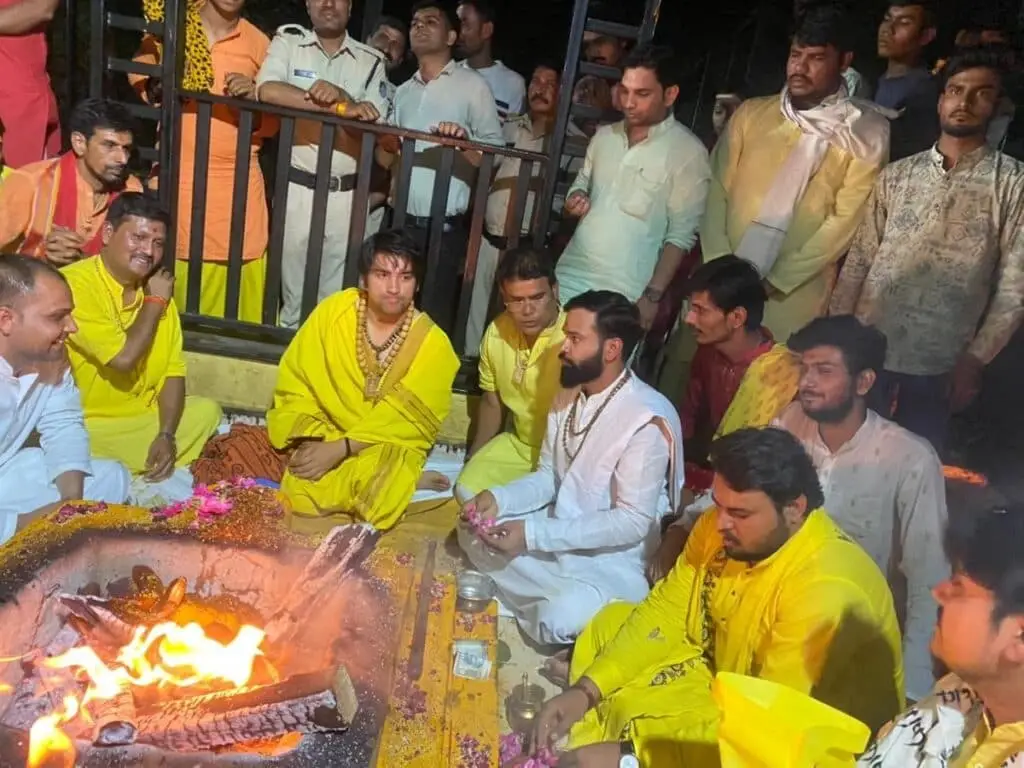
The traditional fire ritual of Maa Baglamukhi, performed at the Nalkheda Siddhpeeth.
Ritual format
Havan
Duration
Typically 2–4 hours on the day of the ritual, depending on the sankalp
Live participation
Available
Photos / recording
Photos shared after the ritual; video on request
Prasad
India · International · On request
Overview
A Havan is the traditional Vedic fire ritual in which mantras are offered into a consecrated agni along with prescribed samagri. In the Baglamukhi tradition, the havan is performed with turmeric-based offerings, yellow flowers and the Baglamukhi mantra recited according to the vidhi followed at Nalkheda.
The ritual is conducted at the Sarva Siddha Peeth Maa Baglamukhi Mandir, Nalkheda, under the guidance of Acharya Rajguru Ji, with the devotee's Sankalp taken before the first ahuti.
Traditional significance
According to traditional belief, Maa Baglamukhi is the presiding Mahavidya of stambhan — the stilling of opposing forces. The havan is described in traditional practice as an offering made while praying for steadiness, clarity and protection.
The Nalkheda temple is regarded in tradition as a Siddhpeeth with a self-manifested idol, and devotees have historically travelled here to perform their havan at this sthaan.
Who traditionally seeks this ritual
- Devotees praying for protection and inner strength during a difficult period
- Those facing prolonged disputes or opposition and seeking calm and clarity
- Families performing an annual or vow-based (mannat) ritual
- Devotees observing Navratri, Ashtami or a personal sankalp tithi
Rituals are performed traditionally and with sincerity. No specific outcome is promised or guaranteed.
The ritual process
Step 1
Consultation
A short conversation with Acharya Rajguru Ji about your situation and the appropriate ritual.
Step 2
Sankalp
Your name, gotra, family members and intention are recorded and offered before the ritual begins.
Step 3
Muhurat
A suitable date and time is selected according to tithi and traditional considerations.
Step 4
Purva Karma
Kalash sthapana, deity invocation and preparation of the havan kund and samagri.
Step 5
Ahuti
Mantra recitation with the prescribed number of ahutis offered into the sacred fire.
Step 6
Purnahuti & Aarti
The concluding offering, aarti and prayer on behalf of the devotee and family.
What your Sankalp includes
- Devotee name
- Gotra (if known)
- Family members to be included
- Intention in your own words
- Current city and country
- Preferred date or tithi
What you receive
- Confirmation of your Sankalp details before the ritual
- Date and time of performance
- Photographs from the havan
- Prasad dispatched where requested
- A follow-up conversation with Acharya Rajguru Ji
Preparing for the ritual
- Maintain a simple sattvik diet on the day of the ritual where possible
- Bathe and wear clean clothes before the scheduled time
- Keep your intention clear and in your own words
- If joining live, arrange a quiet place with a stable connection
Questions devotees ask
Can the havan be performed if I cannot travel to Nalkheda?
Yes. The havan is performed at the temple on your behalf with your Sankalp. Live participation is available so you can join remotely.
How far in advance should I book?
A few days is usually sufficient, though Navratri and Ashtami dates fill quickly and are best arranged early.
Is any outcome guaranteed?
No. The ritual is performed traditionally and with full vidhi. Results are a matter of faith and are never promised.
Related rituals
Shatru Shanti Anushthan
An extended, multi-day observance traditionally undertaken during periods of conflict and opposition.
View ritualBaglamukhi Puja
Traditional worship of Maa Baglamukhi with sankalp, archana and aarti.
View ritualBaglamukhi Mantra Jaap
Counted recitation of the Baglamukhi mantra offered in the devotee's name.
View ritualSpeak with Acharya Rajguru Ji
Share your situation in confidence. He will advise whether this ritual is suitable for you.
Request a private consultation